
Have you ever bottomed out hard on a rocky descent or felt your bike suddenly shudder off-line over whoops sections? Chances are it was due to suspension travel – not your skills! Suspension travel is the measure of the amount a bike is able to absorb before the chassis is able to take the brunt directly. When riding off-road making sure this is the right number (whether you’re looking to buy, upgrade or just tweaking the bike you already have) can make the difference between an enjoyable ride and one that is painful. Here’s how to determine the exact amount you’ll require.
What Is Suspension Travel, and Why Does It Matter for Off-Road Riding?
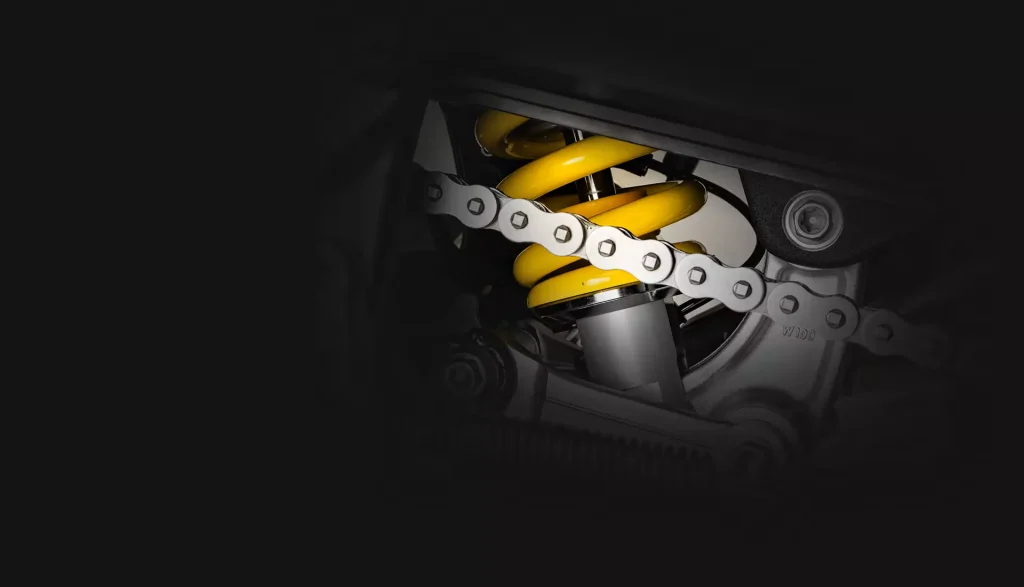
Suspension travel refers to the total distance that a fork and shock can compress from fully extended to fully compressed; measured either in inches or millimeters. Suspension travel has three major impacts when riding over rugged terrain:
- Impact absorption — how well the bike soaks up rocks, roots, and ruts before the force transfers to your wrists and spine
- Ground clearance — more travel generally (though not always) means a higher standing ride height
- Stability and control — travel that’s mismatched to your terrain or riding weight causes the bike to feel either harsh (too little) or vague and wallowy (too much)
Too little travel and you’ll bottom out on square-edge hits, damaging rims and rattling your confidence. Too much, and the seat height climbs, the bike feels top-heavy at low speed, and technical, tight-line riding gets harder to control.
How Much Suspension Travel Do You Actually Need?
No single “correct” number exists – it varies based on discipline, terrain and rider experience. Industry data from motorcycle manufacturers and off-road publications generally groups recommended travel as follows:
| Riding Type | Typical Front Travel | Typical Rear Travel | Best For |
| Trail / Green Lane Riding | 8-10 inches (200-255 mm) | 8-10 in | Forest trails, mixed dirt and moderate technical sections |
| Enduro | 11-12 inches (280-300 mm) | 11-12 in | Technical single track, roots rocks difficult terrain |
| Motocross | 11-12 inches (280-300 mm) | 11-12 in | Hard landings and highspeed jumps groomed tracks |
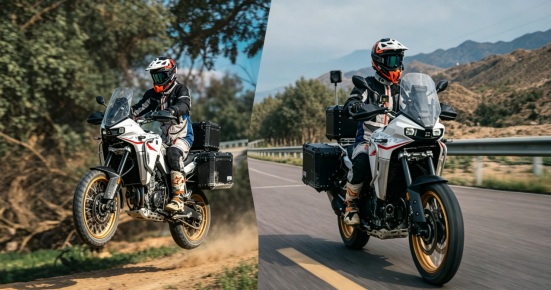
| Adventure / DualSport | 6-8 inches (150-200 millimeters) | 6-8 in | Longdistance Mix on/offroad, ComfortOriented |
Based on rider experience: Beginners usually have better results with slightly shorter travel and a tinier seat height. This helps build confidence and control at a slower speed even if that means giving up some resistance at the bottom when taking the most brutal impacts. Expert riders who have experience in difficult motocross or enduro terrain usually require maximum travel, paired with a correctly balanced spring rate, as unbalanced travel with no proper setting of the sag can do damage more than it does good.
By terrain: Rocky High‑consequence, high‑speed terrain (like technical trails in enduro) favors long trips and a progressive level of damping. The loose or sandy terrain typically has more benefit from a properly tuned mid‑stroke rather than a full length. Bikes tend to dip and squat regardless of how long the travel in the paper.
Suspension Travel vs. Ground Clearance vs. Seat Height
This is where a lot of riders get tripped up: travel numbers alone don’t tell the whole story. A bike can have generous travel but a low static ride height if the linkage ratio or sag setting eats into that number. Ground clearance is what actually matters when you’re clearing a rock ledge, and seat height is what matters when you’re paddling through a technical section at walking pace.
A practical rule of thumb: don’t shop by travel spec alone. Compare travel, unloaded seat height, and rider sag (typically set at 30% of total travel for off-road use) together. Two bikes with identical “12 inches of travel” can feel completely different once sag and linkage geometry are factored in.
How to Tell If Your Current Suspension Travel Is Enough
You don’t need a dyno to diagnose this. Watch for these signs:
- Frequent bottoming out — a clunk or metallic bang on square-edge hits or landings
- Fork bottoming visibly — check the dust wiper for oil residue riding higher than usual after a session
- The fatigue or arm pump occur after a few short trips on rough terrain could indicate that the suspension isn’t taking in the force of impact, as well as your own body performing the work.
- The vague cornering or the wallowy sensation mid-corner could indicate excessive travel or an incorrect sag instead of too little
A simple static test: sit on the bike in full gear, have someone measure sag from full extension. If sag is well outside the 25–30% range for off-road use even after adjustment, your suspension setup — not just the travel spec — needs attention.
Upgrading or Adjusting Suspension for Off-Road Use
Not every issue requires a new bike or a new fork. Start with the cheapest fix first:
- Adjust before you replace — preload, compression, and rebound adjustments can resolve most bottoming and harshness complaints without spending on new parts.
- Re-spring for your weight — a huge number of “not enough travel” complaints are actually a spring rate mismatch for the rider’s weight and gear load.
- Upgrade when adjustment hits its limit — if you’re maxed out on adjusters and still bottoming or still too soft, it’s time for a suspension kit upgrade or a bike with more travel suited to your terrain.
If you’re shopping for a bike built specifically around off-road capability rather than compromise, it’s worth looking at what KOVE offers. KOVE’s adventure lineups are engineered with terrain-appropriate suspension travel and geometry as a starting point — not an afterthought — which means less guesswork tuning a stock setup that wasn’t designed for dirt in the first place. For those looking for numbers of travel that match the actual conditions on the trail in the first place, this is a great lineup to look at before investing in suspension upgrades for aftermarket models.
Gallery
3


